Quick Summary: Social connection is often treated as a nice extra in senior living, but research tells a different story. Aging and loneliness are closely linked to real physical and cognitive health risks, while regular social contact is tied to better outcomes across the board. This blog looks at what the research actually shows about the importance of social connections for seniors, and how community living, including the daily rhythms at Aspire at West End, is designed to make genuine connection part of everyday life rather than an occasional event.
When people think about healthy aging, the conversation usually centers around diet, exercise, and medical care. Social connection rarely gets the same attention, even though the research on aging and loneliness suggests it should.
In fact, research led by Dr. Julianne Holt-Lunstad found that a lack of social connection carries a mortality risk comparable to smoking up to 15 cigarettes a day. The National Institute on Aging also reported similar findings, linking loneliness and social isolation to higher rates of heart disease, depression, and cognitive decline in older adults. Another study found that loneliness raises the risk of early death by 14 percent, and social isolation by 35 percent. Others link isolation to a higher risk of stroke and heart disease.
These are not small effects, and they are not rare either. About one in four adults over 65 in the United States are socially isolated. It is one of the most common, and most overlooked, risk factors in aging. The good news is that connection is also one of the most powerful ways to work against it.
The Benefits of Social Connection
It is easy to think of social connection as something that simply makes life more enjoyable. The research above suggests it does far more than that. The benefits of social connection extend to physical health, cognitive function, and emotional resilience, often in ways that are measurable over time.
Regular social interaction has been linked to better cardiovascular health, stronger immune function, slower cognitive decline, and a lower risk of depression. In short, staying socially engaged is not just about quality of life; it is a meaningful part of physical health.
This is why the importance of social connections for seniors deserves a more prominent place in conversations about aging well, alongside nutrition, movement, and medical care.
How Senior Living Creates Connection Naturally
One of the most effective, and often underrated, ways to stay socially connected later in life is simply living alongside other people. Community-based senior living removes many barriers that make connection harder when living alone, such as limited mobility, distance from friends, or the loss of a built-in social circle after retirement.
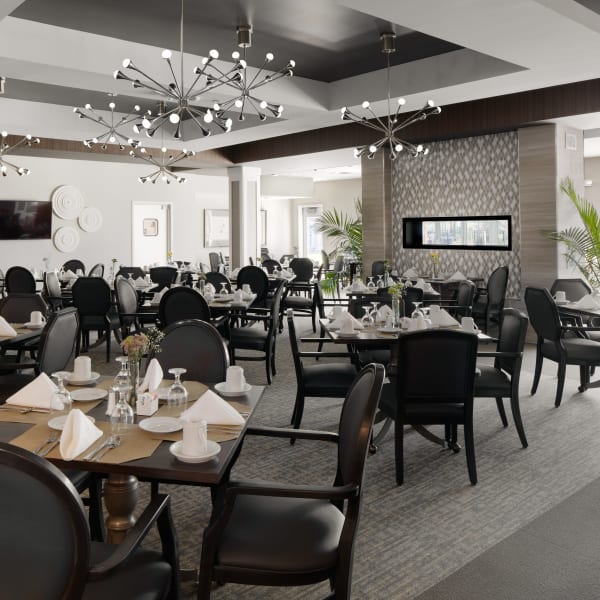
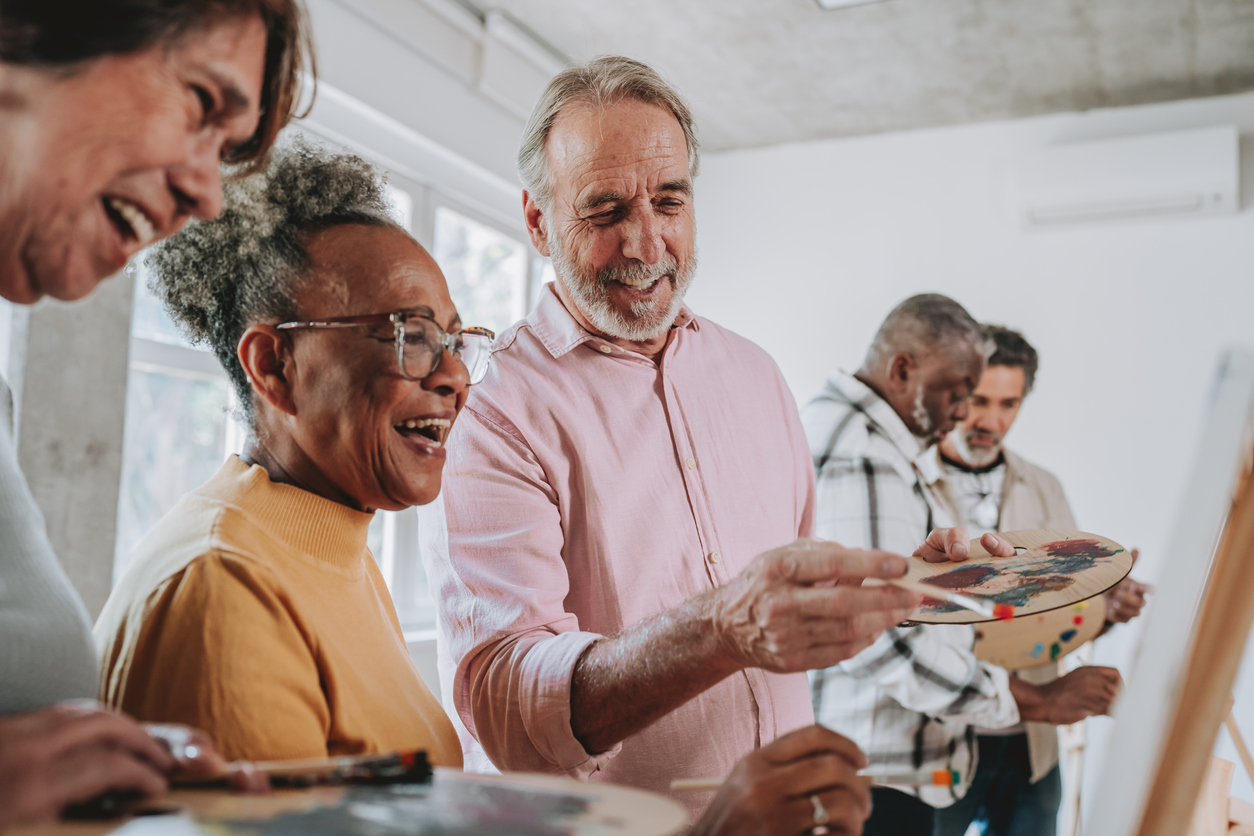
Shared dining is one of the clearest examples. Sitting down for a meal with neighbors, rather than eating alone, creates a natural, low-pressure opportunity for conversation that happens every single day. Group activities and community clubs offer another layer, giving residents a reason to gather around a shared interest, whether that is art, fitness, cards, or simply a standing coffee group.
What matters most is that these interactions do not require effort to plan. They happen organically, as part of daily life, rather than depending on residents to plan outings or maintain a calendar of get-togethers on their own. That difference—between connection that requires effort and connection that is simply part of the day—is a large part of why community living has such a measurable impact on isolation.
Programming That Builds Relationships, Not Just Activity
Not all senior living community activities are created equal. A full calendar looks good on paper, but the real value comes from whether those activities actually help residents build relationships with one another over time.
Thoughtfully designed senior wellness programs take this into account. Rather than offering a rotating list of one-off events, the goal is to create consistent, familiar touchpoints, such as a regular fitness class, a recurring social hour, or a standing group activity, where residents see the same faces and build relationships gradually. That kind of repetition and familiarity is what tends to turn casual acquaintances into genuine friendships.
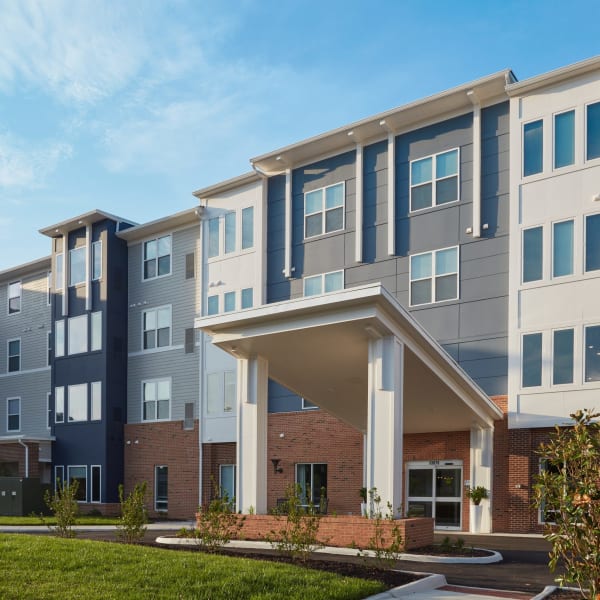
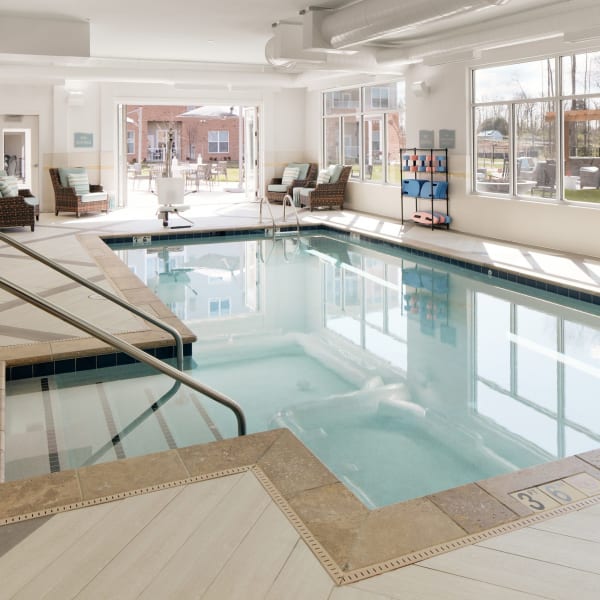
This model shapes life at Aspire at West End. As a 55-plus community in Richmond’s Dumbarton neighborhood, daily life is built around shared spaces and recurring social touchpoints. The Main Street Dining Room offers chef-prepared meals and a Sunday brunch that residents look forward to together, while the Boulevard Art Studio, fitness center, and game rooms give residents regular reasons to gather. An active event calendar and resident clubs add structure, but it is the daily rhythm of shared spaces, such as the walking path, the outdoor patio and firepit, and the bistro, that tends to create the most lasting connections.
Connection is Not a Nicety; it is Essential to Living Well
The research shows that social connection is not simply a “nice to have” for a good retirement. It is one of the most significant, and most underestimated, factors in how well people age. For families evaluating senior living options, and for older adults considering a move themselves, the opportunity for daily, consistent social connection deserves to be weighed just as seriously as amenities, location, or cost.
Community living is one of the most effective ways to address aging and loneliness before they become a health concern. At Aspire at West End, that shows up in the small, daily moments: a familiar face at brunch, a regular walk with a neighbor, or a conversation that starts in the art studio and continues over the following weeks.
See how daily life at Aspire at West End supports connection, or contact our team to learn more about our lifestyle and amenities.